
What a Midvale Resident Lookup Covers
A useful resident lookup moves from broad, low-risk clues to specific custodial records. Salt Lake County Assessor and GIS records can anchor a person to a parcel as an owner of record. Utah Voter Search can confirm a match within a dated election file. Xchange can show a public party and case history. A directory can place a name at a published address, while vital, cemetery, license, business, and HOA sources confirm narrower life or public-role facts.
| Record | What It Confirms | Where to Search | Access |
|---|---|---|---|
| Property roll | Recorded owner, situs, parcel context | Salt Lake County Assessor | Free search |
| Voter registration | Match, address, status, election record | Utah Voter Search | Public fields only |
| Court records | Party, case type, docket history | Utah Courts Xchange | Guest/account and fees |
| Vital and cemetery | Permitted life-event or burial lead | OVRS, County Health, State History | Eligibility varies |
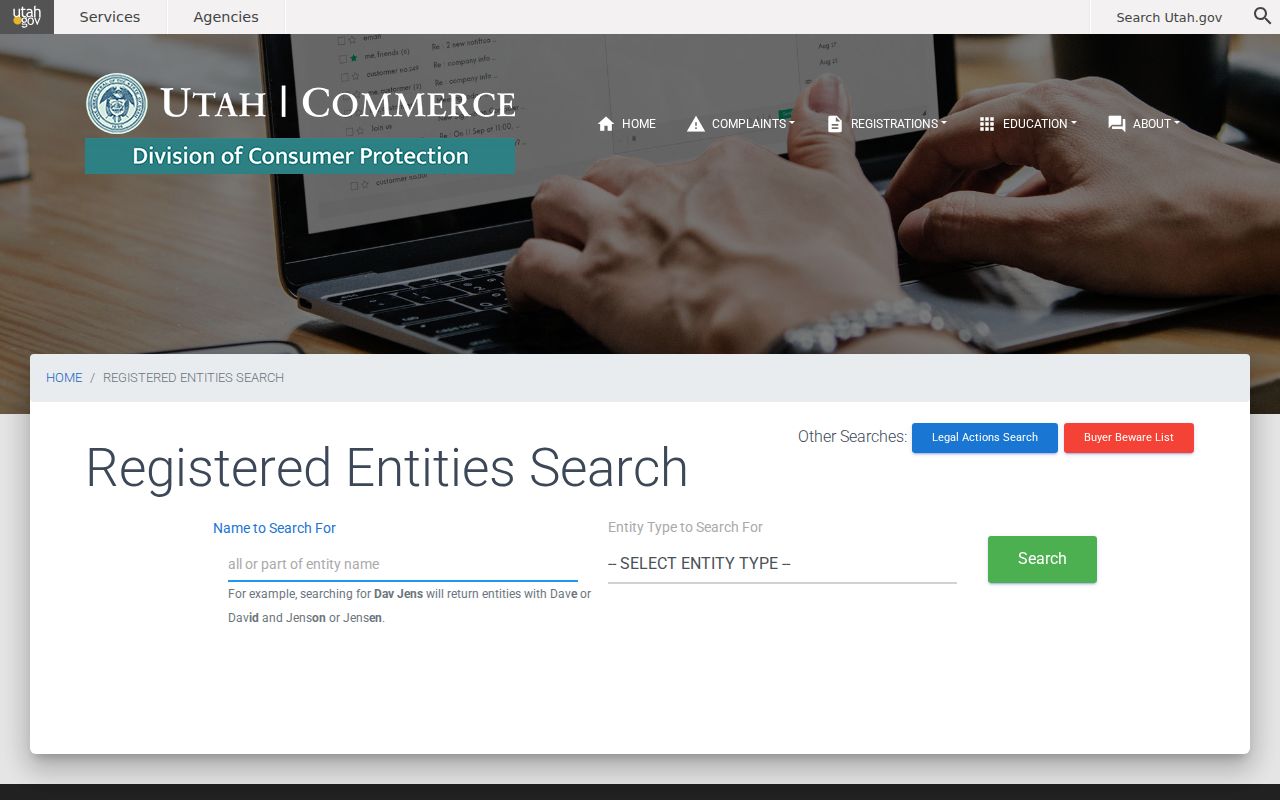
| License or business filing | Professional or entity role | Utah Commerce systems | Role record, not residence |
Start with the known clue. An address points to USPS, Assessor, GIS, and Recorder. A name plus county points to Xchange, voter, cemetery, newspaper, DOPL, or business search. A family-history question may need directories and newspapers first. When the result matters, compare two independent sources instead of expanding a profile with unrelated personal data.
Midvale Xchange Name Matching
Utah Courts Xchange is the principal trial-court name route for Salt Lake County. Its home screen includes jurisdiction, search type, case number, last name or company, first name, case type, search scope, birth date when available, citation number, and date ranges for filing, disposition, judgment, or satisfaction. Start broad with name wildcards, then narrow by county, court, case type, and date. The system displays no more than 500 results.
A result row can show county, court location, case type, case number, filing date, party name, birth date when available, and party code. A party detail may show a filed address if public. Case history can include parties, counsel, charges, pleas, dispositions, judge, proceedings, and public documents. Sealed, expunged, juvenile, child-welfare, and several private domestic or protective cases are not visible. A court party is not automatically a Midvale resident.
The guest/account route can be billable, public terminals are available at many courthouses, and an electronic document image commonly costs $1 when available. Federal cases use PACER. For a local court question, Midvale Justice Court is at 7505 S Holden St, Midvale, with phone 801-567-7200.
The Utah Courts Xchange guest and account portal is the official starting point.
The search screen reinforces the need to keep the name, county, court, case type, and date with any result.
Utah Voter Fields for Midvale
Utah Voter Search shows first name, last name, date of birth, street address, city, and ZIP fields. The form asks for identifying information, but the public output does not expose every input. Public fields may include name, age or year range, residential and mailing address, precinct, districts, party or unaffiliated status, active or inactive status, last update, and vote history. Vote history means whether the person voted in listed elections, not candidate choice.
Full birth date, Social Security number, driver or state ID number, email, phone, and signature are protected. Utah SB153 changed the privacy setting for most formerly private or withheld records around May 25 and 26, 2026, while eligible At-Risk records remain withheld. Read the official voter privacy rules before using a current match. A record date and status matter more than a broad statement that someone lives in Midvale.
The Utah Voter Search form is the direct identity-check route.
Use voter data as one dated source. Do not publish full DOB, protected contact details, or a withheld address.
Verifying a Midvale Resident’s Records
A strong resident lookup uses a minimum match key of two or three details: full name, street or address, date, county or city, middle initial, age range, organization, or relative. Preserve exact name variants. An assessor owner can be an entity or trust. A directory can omit people. A court address is filed for a case. A voter result can be inactive or old. Those limits explain why one source is never enough.
- Standardize the address with USPS and find the parcel and owner string in the Assessor or GIS.
- Search Xchange with name variants, county, court, case type, and a date range.
- Compare the public result with a directory, newspaper, voter record, cemetery, license, or business role when relevant.
- Order a permitted certificate from the correct custodian only when a certified record is needed.
- Docket
- The court’s running record of filings, events, hearings, and case actions.
- Index vs image
- An index points to a record; an image is the underlying scanned or filed document and may have a fee.
- Certified copy
- A custodian-issued copy marked as an official copy for an eligible requester.
Birth, Death, and Marriage Checks
Utah’s vital-record system answers a life-event question, not a current resident question. Birth records generally open after 100 years, death records after 50 years, and other vital records after 75 years under Utah Code §26B-8-125(5), subject to exceptions. Earlier copies use relationship, identification, and proof rules. Salt Lake County Health handles eligible local birth and death copies, the issuing county clerk holds a full marriage license, and the granting district court holds a full divorce decree.
The state SILVER portal, county in-person and mail routes, and the marriage or divorce abstract form are separate access channels. Mail requests require the documented ID and proof materials, and the form warns that fees are nonrefundable and missing information can delay a request. Historic Salt Lake County marriage indexes include an 1887 to 1904 lead in the county archive hub. Use a permitted certificate to verify identity or an event, then keep residence claims separate.
Other Midvale Identity Leads
Newspapers can reveal an obituary, wedding, birth notice, legal notice, school activity, organization connection, or address clue. Utah Digital Newspapers and Utah NewsSearch support city, county, and ZIP filters. Cemetery search adds death year, cemetery, county, and city. The Utah unclaimed-property form accepts last or business name, first name, city, and ZIP, but a claim lead needs documentation and is not proof of current residence.
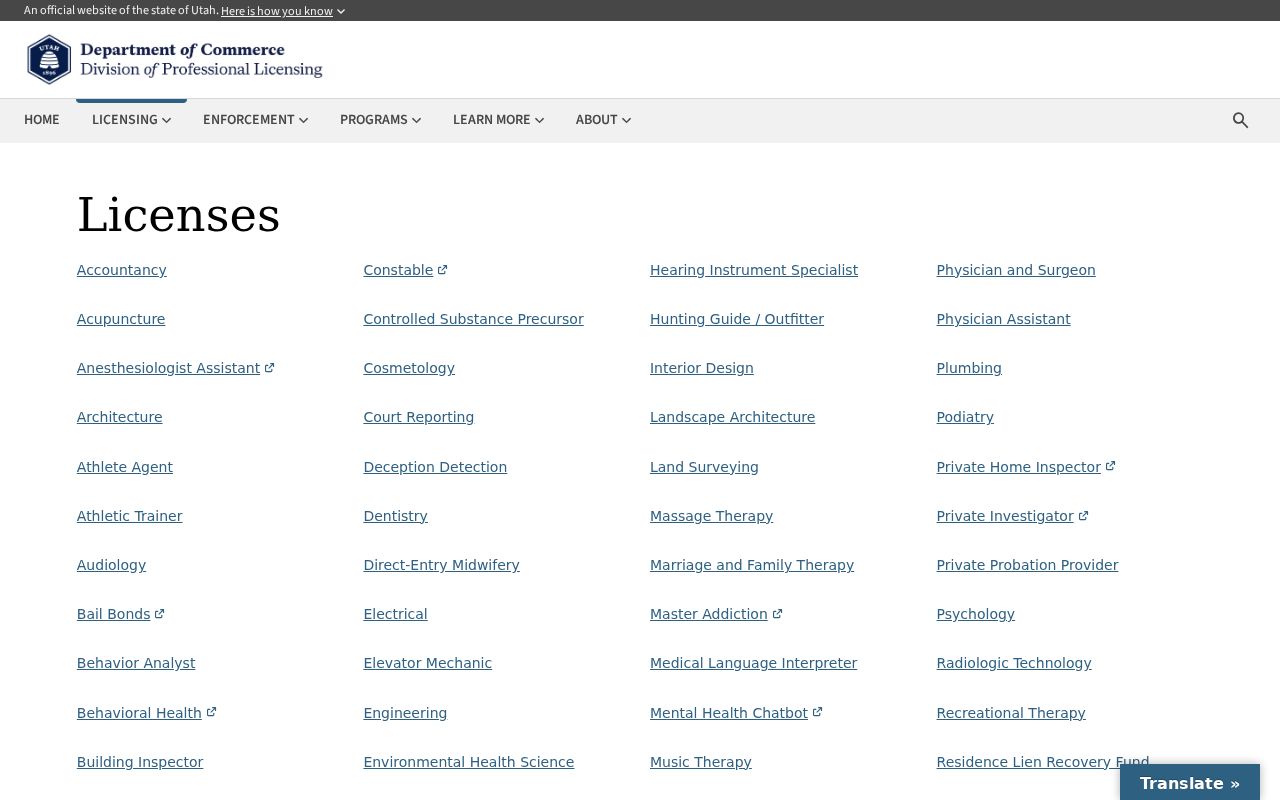
Professional and business systems are role-specific. DOPL Verify a License can return a name, profession, license number, and expiration. Utah’s business registration search can show an entity and filing relationship. The HOA registry can show legal association names, aliases, and master or subassociation structure. None of these routes is a general list of everyone who lives at a Midvale address.
The Utah Department of Corrections Offender Search covers only current UDC incarceration, probation, or parole by name or UDC ID. A no-match does not address county-jail custody or older supervision.
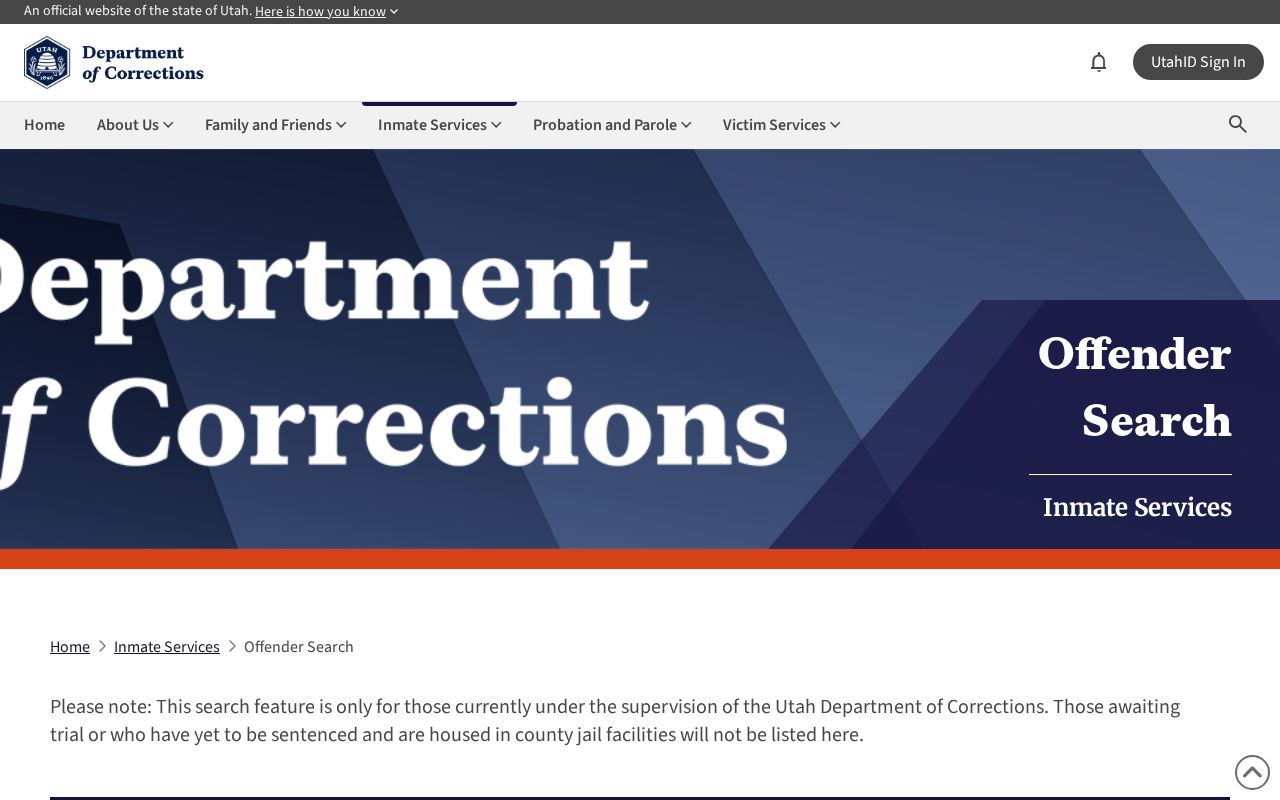
The current-scope warning is the key interpretation point. Use the agency’s own date and scope when describing a result.
When a Midvale Name Goes Missing
A no-match means only that the person was not located in the searched public index or current portal scope. The cause may be a spelling change, middle initial, entity name, old address, unlisted telephone number, publication gap, incomplete digitization, private classification, no filing, or a source that never covered Midvale. Xchange excludes sealed and expunged cases. UDC Offender Search covers current UDC supervision only. BCI’s $20 Right of Access is for a person’s own Utah criminal history, not a public search of another person.
For a missing municipal file, use Midvale’s GRAMA form with a department, address or parcel, date range, and record type. The agency may respond that a record is not maintained or is controlled by another law. Preserve the request, response, fee estimate, and any correction route. A careful negative result is more useful than a guessed match.
Midvale License and Entity Clues
Utah DOPL Verify a License can search a name and profession and may return license number, profession, and expiration. The Department of Commerce covers many categories, including contracting, nursing, counseling, dentistry, engineering, cosmetology, funeral service, geology, and handyman work. Use a license as a public role record, not as proof of a home address. The verification request form contains optional sensitive fields that should not be copied into a public lookup.
Utah’s business registration system and the accessible registered-entity search accept an entity name or type. A filing may show status, registered agent, principal office, or officer connection. Names, roles, and offices change. Compare a filing date with a parcel, directory, or civic record only when that comparison answers a legitimate question. An LLC or DBA connection does not identify every person in a household.
Read a Midvale Result Carefully
Sample-result fields are part of identity work. Xchange can show a case number, filing date, court location, party type, case history, and a public filed address. An Assessor card can show parcel, situs, owner, tax district, exemption, values, and land fields. A voter result can show status, precinct, districts, and public address fields. Each result must retain its date and custodian.
For a correction, contact the court clerk where the case was filed, the county or state Elections office for voter data, or the Assessor or Recorder for property discrepancies. A GRAMA denial should be preserved with its classification and appeal instructions. Do not fix a name mismatch by silently combining two people.
Legal Limits on a Resident Lookup
Public availability is record-specific. Utah Safe at Home supplies a substitute address for eligible survivors of domestic violence, human trafficking, sexual assault, or stalking. Voter At-Risk withholding protects qualifying people. Driver records are restricted. Court, vital, voter, and criminal systems each have their own private or controlled fields. A public record does not create permission to assemble a precise profile of a living person.
Lawful use. A Midvale resident lookup is for personal, lawful research, family history, reconnecting, civic understanding, or safety awareness. Do not use a result to stalk, harass, intimidate, or harm anyone. Verify important information with the custodian.
If an Assessor, Recorder, court, voter, or directory entry appears wrong, contact that custodian and keep the source date. Do not publish full DOB, SSN, driver number, signature, protected email or phone, or a Safe at Home address. Correctness begins with a narrow question and ends with a dated, source-labeled match.